GLP-1 receptor agonists in eye disease: a comprehensive review of current research and future potential

Published on 19 Jan 2026 by admin website

Results

Despite heterogeneity in study designs and populations, a largely consistent association was found between GLP-1RA use and a reduced incidence of glaucoma. For diabetic retinopathy, the evidence was nuanced, indicating potential long-term neurovascular protection but also a risk of transient early worsening. For age-related macular degeneration, findings were dichotomous, suggesting a protective effect against non-exudative forms but a potential increased risk for neovascular disease.

Conclusion

GLP-1RAs show significant promise as a potential disease-modifying therapy for neurodegenerative and inflammatory eye diseases, acting through both systemic metabolic improvements and direct ocular mechanisms, representing a paradigm shift beyond their metabolic indications.

GLP-1 receptor agonists (e.g., semaglutide in Ozempic/Wegovy, tirzepatide in Mounjaro, dulaglutide in Trulicity) have a dual impact on the eyes, particularly in patients with type 2 diabetes:

  • Short-term risks: Rapid blood glucose improvement can cause early worsening of diabetic retinopathy (DR), including progression of non-proliferative DR to proliferative stages, increased diabetic macular edema (DME), vitreous hemorrhage, or vision changes. Some studies (e.g., from SUSTAIN-6 trial and recent cohorts) link GLP-1 RAs to higher rates of DR complications in the first 1–2 years, though not all confirm a direct causal increase beyond rapid glycemic control effects. Rare but serious issues include non-arteritic anterior ischemic optic neuropathy (NAION) (potential permanent vision loss) and blurred vision or other transient effects.
  • Long-term benefits: Overall, GLP-1 RAs improve glycemic control, reduce inflammation, promote weight loss, and offer cardiovascular/renal protection, which can stabilize or slow DR progression over time. Many recent studies (2024–2025) show no significant worsening of DR compared to other agents (e.g., SGLT-2 inhibitors), and some suggest protective or neutral effects on retinal health. Meta-analyses indicate the risk is often not elevated beyond what’s seen with intensive glucose lowering in general.

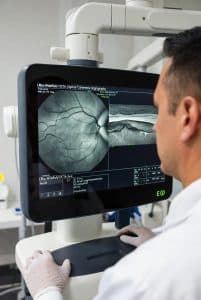
Patients with preexisting DR (especially moderate/severe) or risk factors (e.g., poor baseline control) should have baseline eye exams and close monitoring (every 2–4 months initially) when starting therapy. The benefits for diabetes/obesity management usually outweigh eye risks, but vigilance is key.TowardPi OCT (from TowardPi Medical, e.g., BMizar 400KHz swept-source OCT/OCTA series) provides excellent support for monitoring these effects:

  • It delivers ultra-widefield (UWF) imaging — single scans up to 24×20 mm (about 81°×68° field), capturing far more retina/choroid than standard OCT (often limited to macular area).
  • High-speed (400KHz), deep penetration (up to 6 mm), and high-resolution features enable detailed detection of early DR signs: microaneurysms, non-perfusion zones, capillary dropout, neovascularization, macular thickening/edema, retinal layer changes, and choroidal vascular alterations.
  • OCTA mode visualizes blood flow without dye (non-invasive alternative to fluorescein angiography), quantifying vessel density, foveal avascular zone (FAZ), and ischemia — crucial for tracking GLP-1-related worsening or stability.
  • Ideal for frequent, safe follow-ups in high-risk patients (e.g., pre- and post-GLP-1 initiation), allowing early intervention (anti-VEGF, laser) before vision loss.

In summary: GLP-1 agents offer major metabolic benefits but require eye monitoring due to potential short-term DR exacerbation (often transient). TowardPi’s advanced UWF OCT/OCTA is a powerful, non-invasive tool for precise baseline assessment and ongoing surveillance, helping clinicians catch changes early and ensure safe use. If you’re on GLP-1 therapy (especially with diabetes), discuss regular advanced OCT imaging with your eye doctor.