Published on 29 Sep 2025 by rovertech
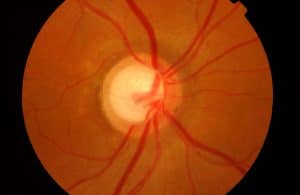
Glaucoma is a group of eye diseases that cause progressive damage of the optic nerve at the point where it leaves the eye to carry visual information to the brain.
If left untreated, most types of glaucoma progress (without warning nor obvious symptoms to the patient) towards gradually worsening visual damage and may lead to blindness. Once incurred, visual damage is mostly irreversible, and this has led to glaucoma being described as the “silent blinding disease” or the “sneak thief of sight”.
Glaucoma Facts – Worldwide
(Source: WGA, https://wga.one/wga/what-is-glaucoma/)

The normal driver’s view
Common textbook illustration of a glaucomatous field defect
The patient’s view: no apparent scotoma
“Glaucoma is one of the leading causes of irreversible blindness, but with early treatment, the damage may get limited and sight may be saved.”

Fabian Lerner
President World Glaucoma Association
(2020 – 2021)
“By promoting regular testing, we also want glaucoma patients to get their relatives involved, as the chances of them getting glaucoma are 10 times higher than someone with no glaucoma history in their close family environment.”

Ivan Goldberg
Council Member World Glaucoma Association
TowardPI OCT has a number of methods and options to offer when it comes to glaucoma screening, follow-up and patient management:
the Biomechanical Glaucoma Factor for early detection of normal tension glaucoma as well as biomechanically corrected intraocular pressure. All this is available from TowardPI.